Signs Your Floors Need Repair or Replacement
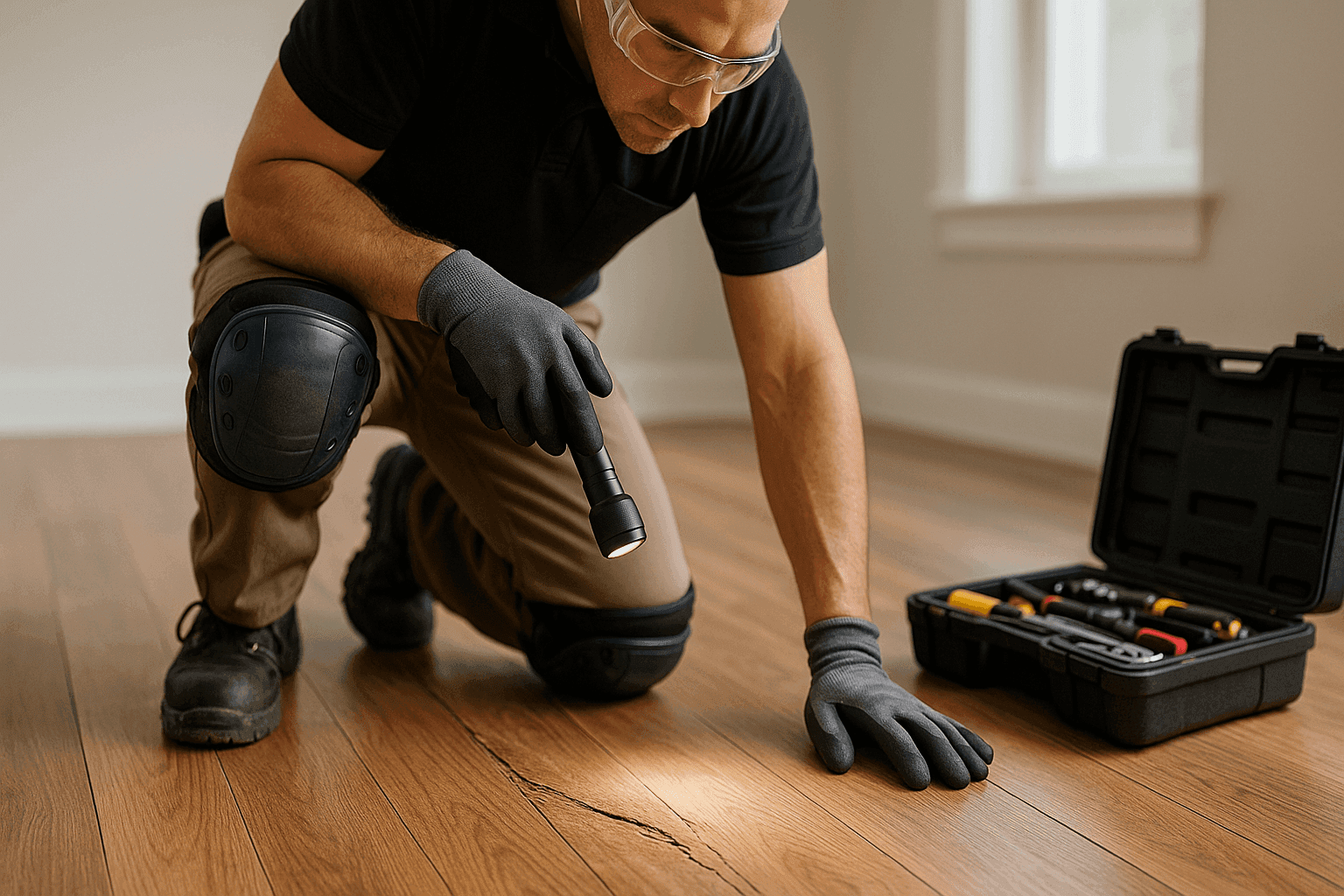
Every floor tells a story. Some sing quietly under your feet. Others groan and whisper secrets—those creaks, cracks, and stains that hint at a bigger problem lurking beneath. At MMV Flooring, we know how easy it is to ignore these signs. Life is busy. But your floors are the foundation of every step you take at home or at work.
Ignoring early warnings can turn a small hiccup into a costly headache. This guide breaks down what to look for, how to respond, and when to call in a pro for help—from hardwood and tile to carpet and vinyl.
Spotting Trouble: What Does Floor Damage Look Like?
Not all floors fail the same way. Each type—hardwood, tile, laminate, vinyl, or carpet—has its own way of waving a red flag.
Hardwood Flooring
Hardwood should feel solid. But if you notice:
- Wide cracks between boards
- Boards that cup or bow like a warped canoe
- Gray or black stains (often from water)
- Persistent squeaks that sound like a haunted house
Those are all signs the wood is stressed. Sometimes, seasonal humidity brings gentle expansion and contraction. But deep warping or discoloration? That’s a sign of moisture or structural trouble.
Tile Flooring
Tiles are tough, but not invincible. Watch for:
- Cracked or loose tiles
- Grout lines that crumble or darken
- Hollow sounds when you tap tiles
- Persistent dampness or mold at the edges
These issues often point to hidden leaks, poor subflooring, or shifting foundations.
Laminate & Vinyl Flooring
Laminate and luxury vinyl plank (LVP) are durable, but they have their limits:
- Bubbling, lifting, or curling at the seams
- Soft spots that feel “spongy” underfoot
- Discoloration from below (not just surface stains)
- Edges that separate or gap
Water is the usual suspect. Once it sneaks in, these floors can peel or warp quickly.
Carpet
Carpet hides its secrets well. Look for:
- Persistent musty odors (even after cleaning)
- Stains that keep coming back
- Ripples or waves—like a loose bedsheet
- Crunchy, stiff texture (a sign of old spills or mold)
Don’t ignore the smell. If your carpet still reeks after a deep cleaning, the underpadding or subfloor might be harboring mold.
Quick Safety Checklist 🛠️
Before you panic—or pull up a floorboard—run through this floor inspection checklist:
- Look for visible cracks, stains, or moisture.
- Check for soft spots or sagging. Step lightly across the room.
- Listen for new squeaks or pops.
- Smell for musty, moldy, or chemical odors.
- Feel for temperature changes or dampness, especially near exterior walls and basements.
- Inspect grout and seams for crumbling or gaps.
- Watch out for visible mold, especially after storms or floods.
- Note any sudden changes after extreme cold or heat.
If you find more than one issue, it’s time to slow down and dig deeper.
DIY vs. Call a Pro
You might be tempted to fix things yourself. Sometimes, that’s fine. Other times, it’s like taping up a leaky dam.
Safe DIY Fixes
- Replacing a single cracked tile (if you have a matching spare)
- Tightening a loose floorboard
- Spot cleaning surface stains on carpet or vinyl
- Re-caulking small gaps
When to Call MMV Flooring
- Water under the floor and you can’t find the source
- Large areas of warping, sagging, or persistent soft spots
- Mold or mildew that keeps coming back
- Subfloor feels unstable, or you notice a drop in floor level
- Persistent, worsening squeaks or creaks
- You notice damage after a storm, flood, or freeze
If you’re unsure, it’s safer (and often cheaper) to get a professional opinion. The National Wood Flooring Association and the Carpet and Rug Institute both recommend having certified flooring specialists assess significant or recurring issues.
What Pros Do On Arrival
When MMV Flooring arrives, we don’t just look at the surface. Here’s what you can expect:
- Visual inspection: We check for obvious damage, stains, or warping.
- Moisture testing: Using meters to find hidden leaks or dampness.
- Subfloor assessment: Lifting corners (if safe) to check what’s underneath.
- Sound testing: Tapping for hollow or soft spots.
- Code check: Making sure repairs comply with local building codes and manufacturer guidelines.
We document everything, explain what we find, and walk you through the next steps—whether that’s repair, replacement, or maintenance.
Prevention & Maintenance Tips
The best way to dodge flooring disasters? A little regular TLC and quick action when you spot trouble:
- Clean up spills right away. Water is flooring’s worst enemy.
- Use mats at entryways to trap grit and moisture.
- Keep humidity between 35–55% to protect hardwood and laminate.
- Have your grout sealed every few years to block out moisture.
- Vacuum and sweep regularly to avoid scratches and wear.
- Schedule yearly inspections—especially for basements, garages, and commercial floors.
Refer to the National Association of Home Builders’ recommendations for flooring lifespan and care guidelines.
Costs & Time Factors
Repairing a floor is usually cheaper than replacing it, but not always. Here’s what affects cost and timeline:
- Type of flooring: Hardwood repairs can be more labor-intensive than vinyl or laminate.
- Extent of damage: Small patches are quick; widespread water or mold means more work.
- Access: Basements and upper floors may require extra prep or permits.
- Materials: Matching old floors can take time, especially with discontinued styles.
- Season: Wet weather or freezing temps can slow drying and installation.
A simple repair might take a day. Major replacements—especially if subfloors need fixing—can stretch to a week or more.
When It’s an Emergency 🚨
Some floor problems can’t wait. Act fast if:
- Water is pooling on or under the floor after a storm or burst pipe.
- You smell strong mold or chemical odors.
- The floor feels unstable or you see a sudden dip.
- Electrical outlets or wiring are near water-damaged areas.
Safety comes first. If in doubt, turn off electricity to the affected area and call a professional right away.
Floor Damage FAQ
How often should I inspect my floors?
Do a quick check every season, and after any major weather event (like a flood or freeze).
Can I repair damaged subfloors myself?
Usually, subfloor repairs require professional tools and knowledge—especially if load-bearing structures are involved.
Are all floor squeaks a sign of trouble?
Not always. Some squeaks are just a sign of age or loose boards. But persistent, growing squeaks can indicate deeper issues.
Is mold under the floor dangerous?
Yes. Mold can lead to health risks and structural damage. Address it quickly and professionally.
Local & Seasonal Considerations
Where you live—and the climate you face—makes a big difference. After heavy storms, basements and garages are prone to flooding and moisture damage. Winter brings freeze-thaw cycles that can make floors expand, contract, or even crack. In humid regions, mold and warping are more common.
If your area is known for high humidity, sudden freezes, or heavy rains, regular inspections and moisture barrier installations can save you from bigger headaches down the road.
Your floors are more than just surfaces—they’re the stage for your life and work. Give them the attention they deserve. If you spot warning signs, don’t wait for a small issue to become a big one.
Call MMV Flooring now — or reach us anytime at 855-500-2856 .