How to Choose the Best Flooring for Every Room
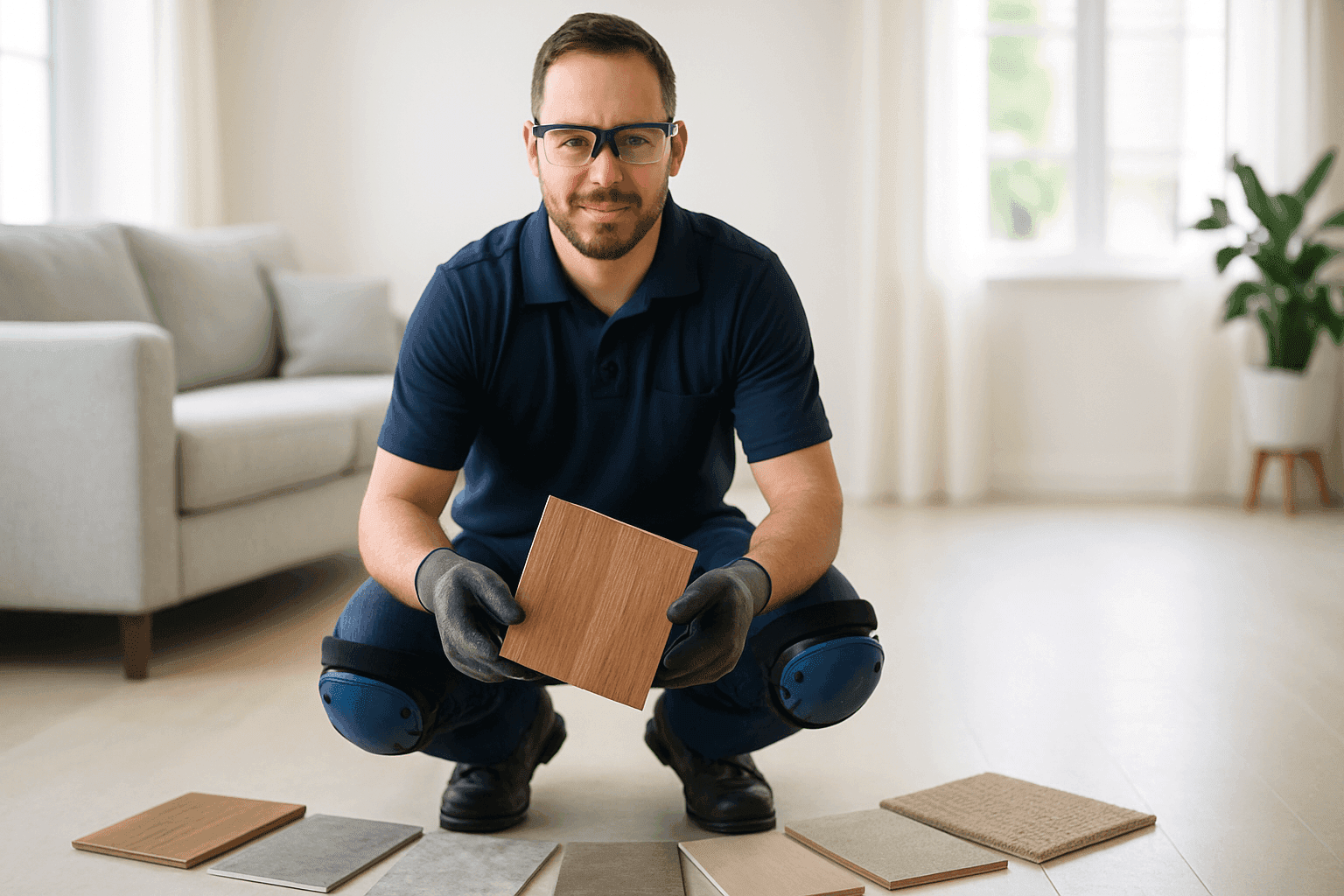
When you walk into a home or business, the floor is the first thing your feet feel. It’s the stage for your daily life. Kids tumbling, pets racing, parties, rush hour at the office—your floors witness it all. But picking the right flooring? That’s where many people get stuck. It’s a maze of materials, colors, and choices.
At MMV Flooring, we’ve seen the stress homeowners and business owners face. You want something that looks great, lasts long, and fits your lifestyle. The wrong floor means headaches—squeaks, stains, or worse, repairs you didn’t bargain for. Let’s break it down and make your next flooring project a confident step forward.
The Flooring Dilemma: Every Room, Every Need
Every room has its own personality. Kitchens take spills and splashes. Bathrooms face humidity daily. Basements battle moisture. Living rooms are all about comfort and style. Commercial spaces see foot traffic like a busy highway.
Choosing flooring is like picking shoes for every activity—boots for hiking, sneakers for running, slippers for comfort. No one material fits every room. Here’s how to find the best fit for each space.
Kitchen: The Heart of the Home
- Needs: Water resistance, easy cleaning, durability.
- Best picks: Luxury vinyl tile (LVT), ceramic or porcelain tile, waterproof laminate.
- Pros: LVT is soft underfoot and resists stains. Tile handles heat and spills.
- Cons: Tile can be cold and hard. Laminate may swell if water seeps in.
Bathroom: Where Water Rules
- Needs: Total moisture resistance, slip resistance.
- Best picks: Porcelain tile, natural stone, advanced vinyl.
- Pros: Porcelain is nearly waterproof. Vinyl flooring can mimic wood or stone, but stays safe in wet conditions.
- Cons: Stone needs sealing; tile grout requires maintenance.
Basement: Below the Surface
- Needs: Moisture barrier, warmth, resilience.
- Best picks: Engineered vinyl plank (LVP), epoxy flooring, moisture-resistant carpet tiles.
- Pros: LVP resists dampness. Epoxy seals concrete and is tough as nails.
- Cons: Avoid traditional hardwood—too sensitive to moisture.
Living Room: Style Meets Comfort
- Needs: Comfort, aesthetics, sound control.
- Best picks: Hardwood flooring, cork, luxury vinyl plank, bamboo.
- Pros: Hardwood is classic and adds value. Cork is soft and quiet.
- Cons: Hardwood scratches; cork dents; bamboo can fade in direct sunlight.
Commercial Spaces: Built for Traffic
- Needs: Durability, safety, ease of cleaning, soundproofing.
- Best picks: Commercial-grade vinyl, carpet tiles, polished concrete.
- Pros: Vinyl handles heavy use. Carpet tiles deaden sound and are easy to replace.
- Cons: Concrete can feel cold; carpet needs regular cleaning.
Quick Diagnostic Checklist: Match Your Lifestyle
Before you decide, pause. Think about your daily routine and who uses the space.
- Do you have pets? Choose scratch-resistant, waterproof floors.
- Kids in the house? Go for soft, easy-to-clean surfaces.
- Heavy foot traffic? Prioritize durability, stain resistance.
- Allergies? Select hypoallergenic materials like cork or bamboo.
- Need quiet? Look for soundproofing underlays or softer floors.
Key Safety & Code Checklist ✅
- Slip resistance is crucial in wet areas (bathrooms, kitchens, entryways).
- Use proper moisture barriers in basements and ground floors.
- Follow local building codes for fire resistance, especially in commercial settings.
- For radiant floor heating, confirm flooring compatibility (not all materials work well).
- Ensure transitions between different flooring types are smooth to prevent trips.
(Reference: National Wood Flooring Association, International Building Code)
DIY vs. Call a Pro
Some flooring jobs look easy on YouTube. But reality is different—especially with removal, subfloor repair, or large spaces.
DIY may be suitable if:
- The room is small and square.
- You’re working with click-together laminate or loose lay vinyl.
- No major prep or leveling needed.
Call MMV Flooring if:
- There’s old flooring to remove (think stubborn tile or glued carpet).
- Subfloor needs repair, leveling, or moisture barrier installation.
- You’re installing radiant heating, epoxy, hardwood, or need soundproofing.
- Commercial or large-scale projects demand precision.
The right tools and experience can save time, money, and future headaches.
What Flooring Pros Do On Arrival
When MMV Flooring arrives, here’s what happens:
- Inspect the subfloor for damage, moisture, or uneven spots.
- Advise on the best flooring options for your needs and budget.
- Remove old flooring safely (think “Flooring Removal near you” for peace of mind).
- Install underlayment, moisture barriers, and soundproofing if needed.
- Professionally install and finish your chosen flooring, with attention to detail.
We stay up to date with industry standards from the National Wood Flooring Association and Floor Covering Installation Contractors Association.
Prevention & Maintenance: Keep Floors Beautiful
- Use mats at entryways to trap grit and moisture.
- Clean spills promptly—especially on wood, laminate, or carpet.
- Sweep and vacuum regularly to prevent scratches.
- Schedule grout cleaning and sealing for tile.
- Refinish hardwood and bamboo as needed to restore shine.
- Use felt pads on furniture legs to avoid dents and scuffs.
Remember: Some materials, like engineered wood and vinyl, need less upkeep than natural stone or solid hardwood.
Costs & Time Factors
Flooring costs and installation times can vary widely.
- Material price: Vinyl and laminate are usually more affordable than hardwood or stone.
- Installation: Tile and hardwood take longer to install than laminate or floating floors.
- Removal: Old flooring, adhesives, or leveling add to the timeline.
- Custom finishes or patterns: More time, more cost.
Plan for unexpected delays—especially if moisture or subfloor issues are found.
When It’s an Emergency 🚨
Flooded basement? Buckled hardwood? Mold under carpet? Act fast.
- Remove standing water immediately to prevent further damage.
- Avoid power tools near wet areas.
- Call for professional help if you suspect mold or structural damage.
MMV Flooring handles urgent flooring removal and repair to get your space safe and comfortable again.
FAQ: What People Ask Most
What’s the best flooring for people with allergies?
Cork and bamboo are naturally anti-microbial. Hardwood and vinyl are easy to clean and don’t trap dust.
How do I prevent floors from squeaking?
Solid subfloor repair and professional installation are key. Using the right underlayment can also help.
Is radiant floor heating safe with all flooring types?
No. Some floors, like solid hardwood, may not perform well with radiant heat. Always check manufacturer guidelines and consult the National Wood Flooring Association.
How often should floors be professionally cleaned or refinished?
Hardwood may need refinishing every 5–10 years, depending on wear. Tile grout should be cleaned and sealed annually.
Local/Seasonal Considerations
In cold climates, radiant floor heating adds comfort—but check for compatible flooring. Humid areas demand moisture-resistant floors, especially in basements and bathrooms. For high-altitude or coastal regions, expansion and contraction can affect hardwood and bamboo. Commercial spaces may require slip-resistant or ADA-compliant flooring.
Choosing flooring is more than just picking a color. It’s about matching your space, your needs, and your style. MMV Flooring helps you make informed decisions—so every room feels just right under your feet.
Call MMV Flooring now — or reach us anytime at 855-500-2856 .