Emergency Flooring Repairs: What Homeowners and Businesses Should Do Immediately
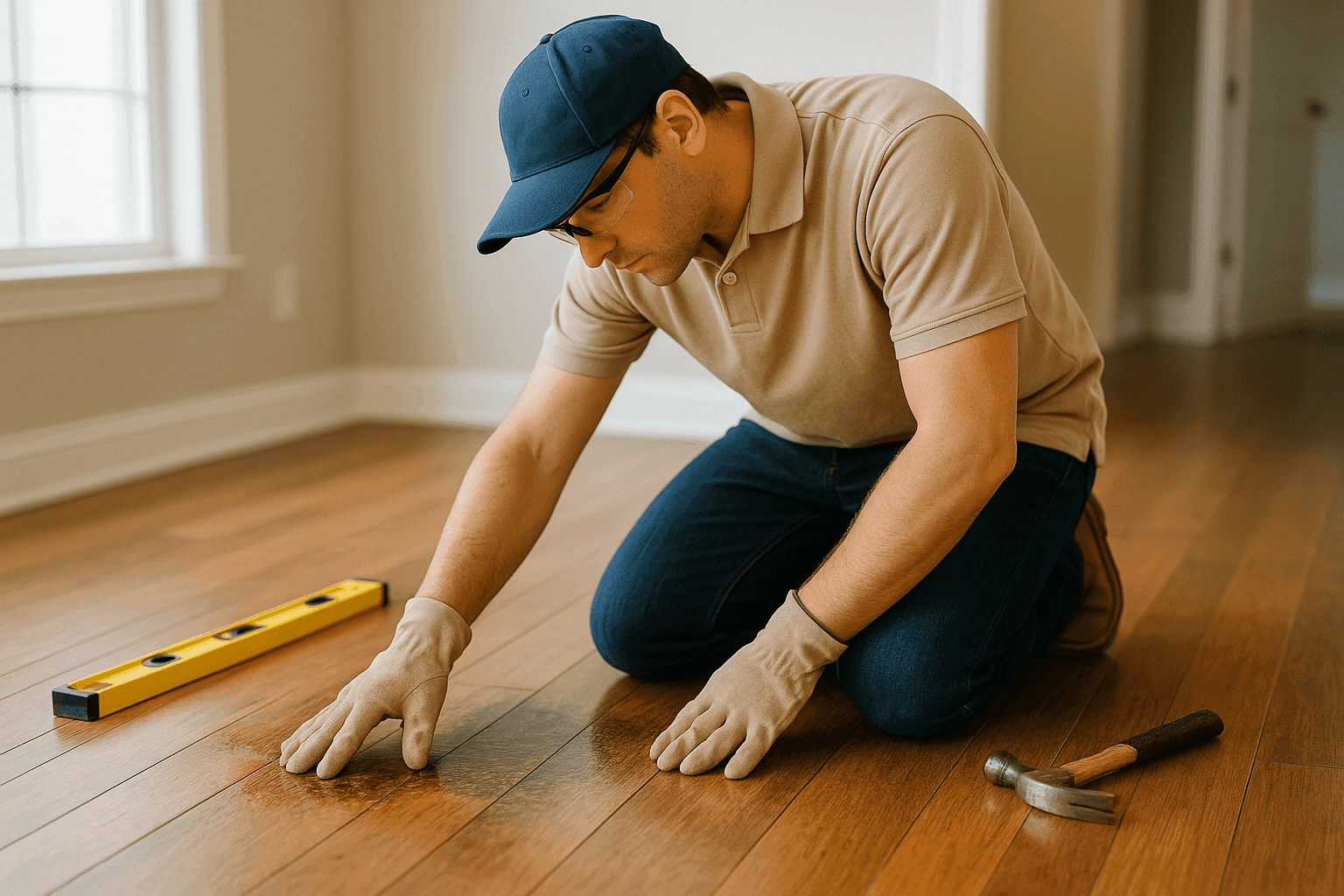
When your floor suddenly buckles, floods, or cracks, it feels like the ground has been pulled out from under you. Whether you’re a homeowner or running a small business, emergency flooring problems can bring daily life—and operations—to a screeching halt.
At MMV Flooring, we know how overwhelming it is when disaster strikes underfoot. Fast action makes all the difference. Here’s your guide to handling emergency flooring situations calmly and confidently, so you can protect your property and peace of mind.
Identifying Flooring Emergencies
What counts as a true flooring emergency? Think of it like a leaky roof during a thunderstorm—some issues can’t wait. Here are the most common scenarios:
- Water leaks or flooding: Burst pipes, overflowing appliances, or heavy storms can soak floors in minutes.
- Storm or weather damage: Wind-driven rain, snowmelt, or hail can infiltrate even well-sealed spaces.
- Sudden impact or accidents: Dropped furniture, heavy equipment mishaps, or even a toppled plant can crack tiles or dent hardwood.
- Fire or smoke damage: Heat and soot can warp, discolor, or weaken many flooring types.
- Rapid subfloor failure: When the support beneath your floor collapses, sags, or shifts, everything above is at risk.
Any of these can quickly escalate. Water, especially, is like a silent invader—creeping under planks, seeping into carpet pads, and inviting mold if not handled fast. If your floor feels soft, smells musty, or shows sudden changes in color or texture, act now.
Quick Safety Checklist 🛑
Before you do anything else, make sure you and others are safe. Floors can hide hazards—like slippery surfaces, sharp tile edges, or exposed nails.
- Turn off electricity in affected areas if water is present. Standing water and live wires don’t mix.
- Stop the source of water if possible. Shut off valves or unplug appliances.
- Avoid walking on damaged floors until you know they’re stable. Subfloor collapse isn’t always visible.
- Wear shoes with good grip and closed toes.
- Ventilate the area to reduce moisture and fumes.
- Move valuables and furniture away from the damaged zone.
If you see bulging, sagging, or hear creaking, treat it like thin ice—don’t risk a fall or injury.
Immediate Steps to Take
Every minute counts. Here’s what you can do while waiting for help:
- Contain the problem. Use towels, buckets, or a wet/dry vacuum to soak up standing water.
- Protect what you can. Place aluminum foil or plastic under furniture legs to prevent staining and further damage.
- Remove area rugs. Wet rugs trap moisture and can cause mildew.
- Open windows and doors. Fresh air speeds drying and reduces odors.
- Document the damage. Take photos for insurance and for your flooring professional.
Temporary fixes—like laying down plywood sheets over soft spots—can help prevent accidents, but always prioritize safety.
DIY vs. Call a Pro
Not every emergency needs a professional right away, but many do. Here’s a quick way to decide:
When DIY Makes Sense
- Small spills on sealed surfaces (like vinyl or tile)
- Minor scratches or chips
- Loose boards that haven’t warped
When to Call MMV Flooring
- Water has soaked under hardwood, laminate, or carpet
- Subfloor feels spongy, uneven, or unsafe
- Tiles are cracked or popping loose
- Mold, foul odors, or visible warping
- Large areas or multiple rooms affected
- Commercial spaces where safety and downtime matter
Remember, some issues—like hidden moisture or structural damage—aren’t always obvious. Flooring pros have moisture meters, thermal cameras, and years of experience spotting trouble before it spreads.
What Pros Do On Arrival
When MMV Flooring arrives, the first step is a thorough assessment. We check for:
- Extent of the damage: How deep did water or impact go?
- Material type: Hardwood, laminate, vinyl, tile, carpet, and subfloor all react differently.
- Safety hazards: Mold, weakened support, electrical risks.
- Moisture levels: Using industry tools to find hidden dampness.
Then, we create a plan. That might mean:
- Extracting water with commercial-grade equipment
- Removing damaged sections to prevent further spread
- Drying and dehumidifying to stop mold before it starts
- Repairing or replacing only what’s necessary—saving you time and money
- Restoring finishes to match your existing floor
We follow guidelines from the Institute of Inspection, Cleaning and Restoration Certification (IICRC) and relevant building codes for safety and quality.
Prevention & Maintenance
Emergency flooring repairs are stressful—but many can be avoided with a little planning:
- Install moisture barriers in basements, bathrooms, and kitchens.
- Seal grout and tile regularly to block water intrusion.
- Check appliances and plumbing for leaks every few months.
- Clean spills quickly—especially on hardwood, bamboo, or cork.
- Schedule routine inspections for commercial floors and high-traffic areas.
- Add mats or runners near entryways during wet seasons.
Think of it like putting on a raincoat before a storm. A little prevention keeps the worst surprises at bay.
Costs & Time Factors
Emergency flooring repairs can range from a quick fix to a major project. Here’s what affects cost and timing:
- Type of flooring: Hardwood and tile often cost more to repair than laminate or vinyl.
- Extent of damage: Small, contained areas are faster and less expensive than widespread issues.
- Water vs. impact: Water damage usually takes longer to dry and repair due to hidden moisture.
- Material availability: Matching existing floors may require special orders.
- Business vs. home: Commercial floors may need after-hours work to minimize downtime.
Most emergencies can be stabilized within a few hours, but full repairs may take a day or more, especially if drying is needed. Always ask for a clear timeline and estimate during your initial call.
When It’s an Emergency
Sometimes, flooring issues can wait. Other times, waiting makes things worse—or even dangerous. Here’s when to treat it as an emergency:
- Water is spreading or pooling
- Floor feels unstable, sagging, or bouncy
- Mold is visible or there’s a strong musty odor
- Commercial spaces where safety or accessibility is compromised
If you’re not sure, it’s better to call and ask. Flooring emergencies rarely fix themselves—and fast action can save you money and headaches later.
FAQ
How quickly should I act after a floor is flooded?
Immediately. The longer water sits, the more it seeps into subfloors and causes mold. Aim to remove water and call a professional within 24 hours.
Is it safe to walk on a damaged floor?
Not always. If the floor feels soft, uneven, or you see warping or cracks, avoid walking on it until it’s assessed. Hidden damage can cause sudden collapse or injury.
Will insurance cover emergency flooring repairs?
Many homeowners and business insurance policies cover sudden, accidental damage (like burst pipes or storms). Document everything and check your policy details.
Can I dry out a wet floor with fans alone?
Fans help, but they’re rarely enough for deep water damage. Professional drying uses dehumidifiers and specialized equipment to prevent mold and structural problems.
Special Considerations for Emergency Flooring
- Seasonal risks: Spring storms and winter freezes are prime times for leaks and water damage.
- Material sensitivity: Hardwood, bamboo, and cork are especially vulnerable to moisture—act fast to prevent permanent warping.
- Commercial requirements: Slip resistance, ADA compliance, and downtime are critical factors in business settings.
- Eco-friendly options: If you’re concerned about sustainability, ask about green materials and low-VOC adhesives during repairs.
Remember, every emergency is unique. The right response depends on your floor type, the cause, and how quickly you act.
Call MMV Flooring now — or reach us anytime at 855-500-2856 .