Ultimate Guide to Eco-Friendly Flooring Options for Homes and Businesses
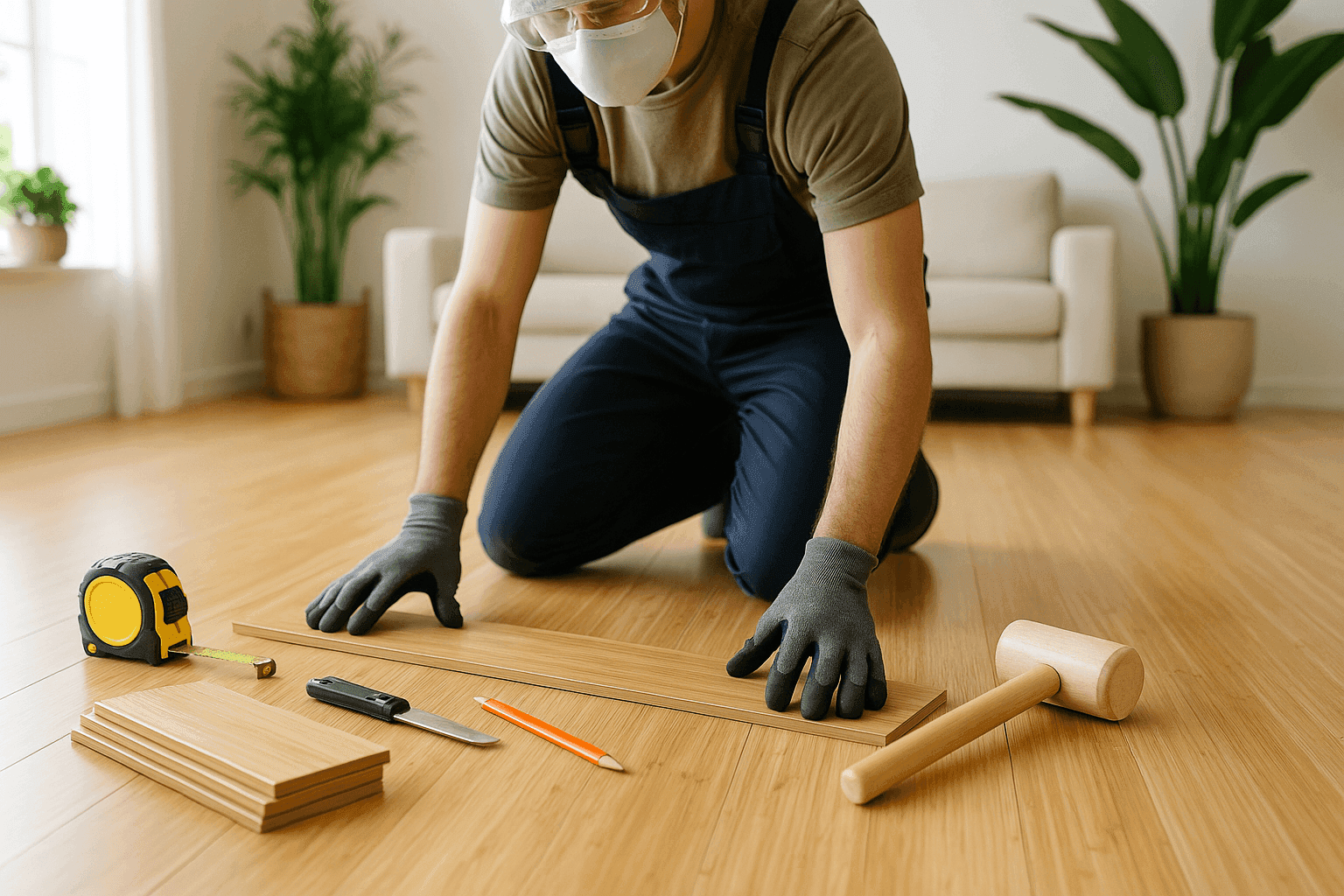
Looking for flooring that feels right for your space—and for the planet? You’re not alone. More homeowners and business owners want floors that are beautiful, durable, and don’t cost the earth.
At MMV Flooring, we see it every day—requests for sustainable, healthier flooring choices. Whether you’re planning ahead or facing an emergency flooring situation, understanding your green options is the first step toward a smarter, more responsible decision.
Understanding Eco-Friendly Flooring 🌱
What makes a floor “eco-friendly”? It’s more than just a label. True green flooring is crafted from renewable, recycled, or responsibly sourced materials. It’s manufactured with minimal impact on the environment and contains little to no harmful chemicals.
Key things to look for:
- Renewable resources: Materials that regrow quickly, like bamboo and cork.
- Recycled content: Flooring made from reclaimed wood, recycled vinyl, or reused tiles.
- Low-VOC finishes: Volatile Organic Compounds (VOCs) are chemicals that evaporate into the air. Low-VOC products help keep indoor air cleaner.
- Certifications: Look for trusted marks like FloorScore®, GREENGUARD, Forest Stewardship Council (FSC), and Cradle to Cradle Certified™.
Choosing certified flooring isn’t just a trend—it’s a way to protect your health and the environment.
Popular Sustainable Flooring Materials
Sustainable flooring comes in many forms. Each material brings its own story, advantages, and quirks. Here’s what you need to know:
Bamboo Flooring
Bamboo grows fast—some species can shoot up several feet in a single day. It’s harvested without killing the plant, making it a renewable superstar.
Pros:
- Hard and durable, similar to oak
- Modern, clean look
- Grows back quickly
Cons:
- Sensitive to moisture; not ideal for bathrooms or basements
- Quality can vary depending on manufacturing methods
Cork Flooring
Cork is harvested from the bark of cork oak trees, which regrow their bark every few years. No trees are cut down.
Pros:
- Naturally springy and comfortable underfoot
- Excellent sound and thermal insulation
- Hypoallergenic and resists mold
Cons:
- Can fade in direct sunlight
- Prone to dents from heavy furniture
Recycled Vinyl Flooring
Recycled vinyl gives new life to old materials. Many luxury vinyl plank (LVP) and tile (LVT) products now include recycled content.
Pros:
- Water-resistant and tough—great for high-traffic areas
- Wide range of styles and colors
- Often more affordable than hardwood
Cons:
- Not biodegradable
- Quality can vary; look for FloorScore® or GREENGUARD certification
Reclaimed Wood Flooring
Old barns, factories, and ships become beautiful, unique floors. Each plank tells a story.
Pros:
- Character-rich and one-of-a-kind
- Reduces demand for new lumber
- Durable if properly installed and finished
Cons:
- Can be more expensive due to sourcing and prep work
- May require extra inspection for nails or contaminants
Linoleum
Not to be confused with vinyl, true linoleum is made from linseed oil, wood flour, and natural pigments.
Pros:
- Biodegradable and long-lasting
- Naturally antimicrobial
- Wide range of colors
Cons:
- Can be damaged by standing water
- Needs periodic sealing
Carpet Tiles from Recycled Materials
Carpet tiles made from recycled plastics or fibers are gaining popularity in both homes and offices.
Pros:
- Easy to replace damaged sections
- Soft, sound-absorbing, and versatile
- Many options are certified low-VOC
Cons:
- Shorter lifespan than hard flooring
- May require more frequent cleaning
Pros and Cons of Each Material
Let’s break it down even further. Each flooring choice comes with trade-offs.
- Bamboo: Fast-growing and tough, but can be sensitive to humidity swings.
- Cork: Cushiony and quiet, but watch out for sharp heels and direct sun.
- Recycled Vinyl: Durable and budget-friendly, but not compostable.
- Reclaimed Wood: Full of character, but may need extra prep and care.
- Linoleum: Classic and green, but not for wet basements.
- Recycled Carpet Tiles: Flexible and soft, but can wear faster in high-traffic zones.
No single material is perfect for every space. It’s about matching your needs—style, durability, budget, and environmental goals.
Installation and Maintenance Tips for Eco Flooring
Sustainable flooring deserves sustainable care. Here’s how to make your green floors last:
- Use low-VOC adhesives and finishes. Ask your installer about eco-friendly glues and sealants.
- Keep moisture in check. Especially important for bamboo, cork, and linoleum. Use mats by entryways and wipe up spills quickly.
- Clean with gentle products. Harsh chemicals can strip finishes and harm indoor air quality. Opt for pH-neutral cleaners or simple solutions like diluted vinegar (check manufacturer guidelines).
- Protect from sun and scratches. Use window coverings to prevent fading. Felt pads under furniture help avoid dents and scuffs.
- Schedule regular maintenance. Some floors, like cork and linoleum, benefit from periodic resealing.
When in doubt, ask your flooring professional for manufacturer-approved care tips. It’s the best way to preserve both beauty and eco benefits.
Benefits of Choosing Eco-Friendly Flooring
Why go green with your floors? The advantages ripple out in every direction.
- Healthier indoor air: Low-VOC and natural materials mean fewer fumes and allergens in your home or business.
- Better for the planet: Renewable and recycled materials reduce deforestation, landfill waste, and pollution.
- Long-term savings: Durable, easy-to-maintain floors can outlast cheaper, less sustainable options—saving money over time.
- Peace of mind: Knowing your flooring supports responsible forestry, recycling, and healthier living.
According to the U.S. Environmental Protection Agency (EPA), improving indoor air quality can reduce respiratory issues and create a more comfortable environment for everyone.
How MMV Flooring Supports Sustainable Choices
At MMV Flooring, we believe you shouldn’t have to choose between style, function, and responsibility. Our team is trained in the latest eco-friendly installation methods, from floating bamboo floors to recycled vinyl and cork.
Here’s how we help:
- Consultation: We listen to your needs and recommend green flooring options that fit your space and budget.
- Certified products: We source materials that meet or exceed FloorScore®, GREENGUARD, and FSC standards.
- Safe installation: Our crews use low-VOC adhesives and finishes, following manufacturer and industry safety guidelines.
- Ongoing support: Need emergency flooring repairs or quick advice? We’re here 24/7 to help protect your investment—sustainably.
We’ve helped homeowners, small businesses, and commercial spaces make the switch to eco-friendly floors—without sacrificing durability or style.
Practical Tips for Selecting Eco Flooring
- Check certifications. Look for labels like FSC, FloorScore®, and GREENGUARD.
- Ask about recycled content. Even vinyl and carpet can be greener with recycled components.
- Match material to location. Bamboo and cork are great for living areas; recycled vinyl shines in kitchens, bathrooms, and basements.
- Consider long-term needs. Think about foot traffic, pets, and maintenance preferences.
- Budget for quality. Investing in certified, well-made floors pays off in longevity and peace of mind.
Frequently Asked Questions
Does eco-friendly flooring cost more than traditional options?
It depends. Some materials, like reclaimed wood or premium bamboo, may cost more up front. But others, like recycled vinyl or cork tiles, are competitively priced. Factor in the long-term savings from durability and lower maintenance.
Are green floors as durable as conventional flooring?
Many eco-friendly options are just as tough—sometimes tougher—than traditional floors. For example, strand-woven bamboo rivals hardwood, and recycled vinyl is built for heavy use.
Can I install eco-friendly flooring in wet areas?
Some materials, like recycled vinyl and certain sealed cork products, handle moisture well. Others—such as bamboo and linoleum—need extra care to avoid water damage. Always check manufacturer recommendations.
How do I know if a flooring product is truly eco-friendly?
Look for third-party certifications (like FSC, FloorScore®, GREENGUARD), ask about sourcing, and request documentation from your installer or supplier.
Special Considerations for Eco Flooring
- Moisture barriers: For basements or slab-on-grade installations, a proper moisture barrier is essential to protect bamboo, cork, and wood.
- Soundproofing: Many eco floors, like cork and carpet tiles, naturally reduce noise—a plus for multi-story homes or busy offices.
- Allergen control: Hypoallergenic choices like cork, linoleum, and certain vinyls can help keep dust and mold at bay.
- Emergency flooring needs: If you’re facing a sudden flood or damage, eco-friendly options can sometimes be installed quickly, especially floating floors like LVP or cork. Always consult a professional for urgent repairs or replacements.
Ready to Make the Switch?
Eco-friendly flooring isn’t just a trend—it’s a smart, lasting investment in your property and the planet. Whether you’re planning a remodel, tackling an emergency flooring project, or just exploring your options, MMV Flooring is here to help you choose and install the perfect green floor.
Call MMV Flooring now — or reach us anytime at 855-500-2856 .